
AI Evaluation & Observability
For teams whose AI feature works in a demo but still lacks the evaluation harnesses, guardrails, regression checks, cost instrumentation, fallback behavior, and production signals needed to operate it with confidence.







The production gap
A good demo proves possibility. It does not prove control.
Once an AI feature reaches real users, the question changes from “can it work?” to “can we measure, release, explain, and recover it?” We build the engineering layer that answers that question.
A demo can show
- A convincing happy path
- A handful of curated inputs
- One model and prompt combination
- A result without operating context
Production needs
- Repeatable quality evidence
- Known boundaries and safe failure
- Release-to-release comparison
- Cost, latency, trace, and incident context
What we put around the AI feature
Evaluation harnesses
Turn representative inputs, expected behavior, edge cases, and failure modes into repeatable evaluation suites your team can run before release.
Discuss evaluationsRegression testing
Compare prompts, models, retrieval changes, and workflow updates against a stable baseline so quality changes are visible before users find them.
Review release riskGuardrails and policy checks
Add input validation, output checks, permission boundaries, audit paths, and escalation rules around the AI behavior your product cannot leave to chance.
Map the controlsCost and latency instrumentation
Trace model calls, token use, retrieval work, retries, and response time by feature so product and engineering teams can see what each workflow costs to operate.
Instrument the workflowFallback behavior
Design retries, degraded modes, human review, provider failover, and safe failure states for the moments when a model or dependency does not behave as planned.
Plan safe failureProduction observability
Connect traces, structured logs, quality signals, feedback, alerts, and incident context so your team can understand AI behavior after deployment.
See what to observe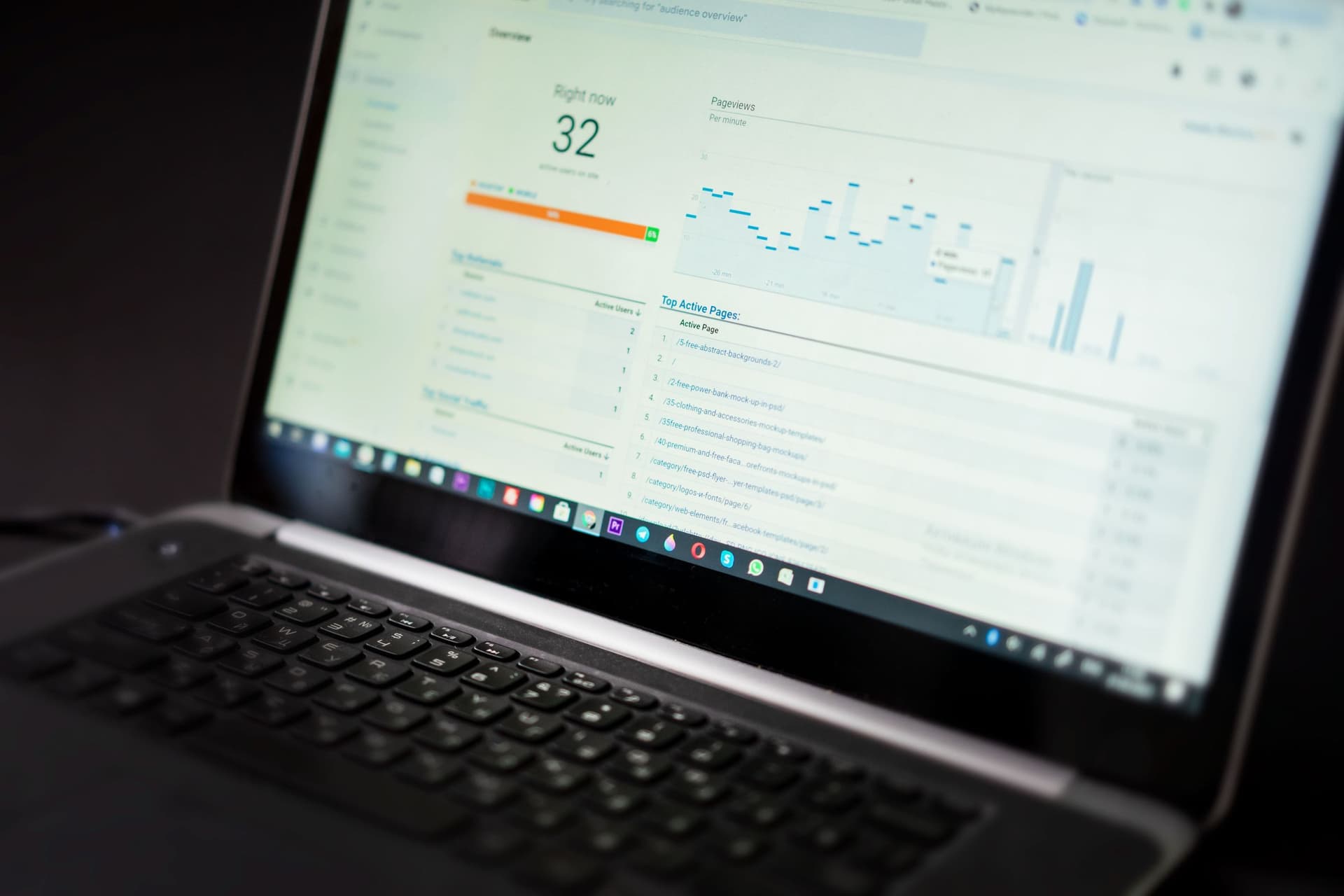
When quality drops, the trace should tell you which change caused it
Delivery
How we make AI behavior operable
- Stage 1
Map decisions and failure modes
We identify where AI behavior affects users, money, compliance, operations, or downstream systems, and define what good, bad, and unsafe look like.
- Stage 2
Build the evaluation baseline
We assemble representative cases, scoring methods, review workflows, and release criteria around your current model, prompt, retrieval, or agent behavior.
- Stage 3
Instrument the runtime
Tracing, cost, latency, errors, fallbacks, quality signals, and feedback are connected to the product paths your team already operates.
- Stage 4
Set release and incident routines
We make checks runnable in delivery, define alert and escalation paths, document ownership, and leave your team with an operating system, not a dashboard nobody uses.
One operating layer
Connect quality, runtime, and product decisions.
Evaluation is most useful when it is connected to how the feature ships and how the team responds after release. We bring those signals into one practical operating model.
Before release
Run representative cases, compare changes, review failures, and make release criteria explicit.
In production
Trace behavior, cost, latency, errors, fallbacks, and user feedback across critical workflows.
When something changes
Give engineering and product teams enough context to reproduce, triage, and decide what happens next.
Engagement fit
When evaluation and observability should be the next build
Strong fit
- The feature works, but releases still depend on manual spot checks
- Quality changes are hard to separate from model, prompt, data, or workflow changes
- Cost, latency, fallback, or failure behavior is not visible by product path
- A regulated or high-stakes workflow needs clearer controls and audit context
Start elsewhere
- The product is still an idea with no working AI behavior to test
- The immediate need is a new RAG or agentic workflow rather than its operating layer
- The team only wants a monitoring dashboard without release or incident routines
- The core problem is an unstable application outside the AI feature: start with a Tech Audit
Related services
Where this fits alongside the build
AI Development
Build the LLM features, RAG pipelines, and agent workflows this layer makes operable.
Explore serviceTech Audit
Get an independent read on production risk before committing to a build.
Explore serviceQA & Testing
Cover the product around the AI feature with the same release checks.
Explore serviceFrequently asked questions
Practical answers about evaluation scope, subjective quality, existing stacks, privacy, and the right starting point.
No. This service starts when an AI feature already exists or is far enough along to evaluate. We focus on the systems that make its behavior measurable, releasable, and operable in production rather than duplicating general AI product development.
Make the AI feature measurable before it becomes critical.
Bring us the current workflow, the failure modes you already know, and the decisions your team cannot yet make with confidence. A founder will help identify whether the right next step is a Tech Audit or a focused evaluation and observability build.