AI Provider Workflow Automation Development
We build tooling that connects to your EHR and takes admin work off clinicians: smart scheduling, inbox and message triage, prior-authorization automation, and order and referral workflows. HIPAA architected. EHR write-back ready.
What we build
Inbox & message triage
LLM triage of the patient-message and results inbox: drafting replies, routing to the right staff, and surfacing what actually needs a clinician, with a human sign-off gate.
Smart scheduling & panel management
Visit-type-aware slotting, waitlist backfill on cancellations, no-show risk flags, and recall/gap-in-care outreach that keeps the schedule full without over-booking.
Prior-authorization automation
Payer-rule matching, auto-assembled auth packets, status tracking, and appeal drafting turn a manual fax-and-phone chase into a tracked queue.
Referral & care-coordination workflows
Closed-loop referral tracking, order routing, and follow-up task generation so nothing falls between the sending and receiving provider.
Order entry & charting tools
Pre-populated order sets, structured intake, and task lists that cut the clicks clinicians spend in the chart after hours.
EHR integration that reads and writes chart data
A FHIR / HL7 connection that sits beside Epic, Cerner, and Athenahealth, so automations act on real chart data and post results back where staff already work.

Clinical tools that fit into real workflows
Reference architecture
- EHR / Practice Data (FHIR, HL7)
- Workflow Engine
- AI Triage & Drafting
- Staff / Clinician Review
- Action (schedule, auth, referral, order)
- EHR Write-back
A typical provider-workflow automation: chart and practice data flow in over FHIR / HL7, a workflow engine triggers the right task, AI triages and drafts the work (a message reply, an auth packet, a referral), a human reviews and approves, and the completed action writes back to the EHR. Automation removes the busywork; the clinician keeps the decision.
Integrations shipped across 21+ partners.
EHR vendors (FHIR / HL7)
- Epic
- Cerner / Oracle Health
- Athenahealth
- eClinicalWorks
Interop & data
- FHIR R4
- HL7 v2.x
- Redox
- Health Gorilla
Prior auth & eligibility
- Availity
- Change Healthcare
- Waystar
- Surescripts
Scheduling & patient comms (HIPAA tier)
- Twilio (HIPAA tier)
- Calendly / scheduling APIs
- Solutionreach
Workflow & orchestration
- Temporal
- AWS Step Functions
- Event-driven queues
LLM (HIPAA-eligible)
- Azure OpenAI
- AWS Bedrock
- Anthropic via AWS
Which engagement fits
Project Build
For a new workflow product: inbox triage, scheduling, prior auth, and EHR integration. Scoped and shipped as a focused build.
Explore Project BuildEmbedded Squad
For expanding automation across more workflows and specialties. A dedicated team ships alongside yours as new payer rules, EHRs, and task types are added.
Explore Embedded SquadTech Audit
For assessing an existing tool: a 5-day diagnostic of architecture, EHR integration health, human-in-the-loop safeguards, and HIPAA / BAA readiness.
Explore Tech AuditCompliance & safety posture
| Standard | Status | What we ship |
|---|---|---|
| HIPAA | Compliant | Compliant builds with PHI handling, role-based access controls, encryption in transit and at rest, and audit logging on every automated action, from day one. See /compliance/hipaa. |
| BAA coverage | Compliant | Every LLM and vendor that touches PHI in the workflow, including triage, drafting, and comms, is HIPAA-eligible and under a Business Associate Agreement. Azure OpenAI, AWS Bedrock, and Anthropic via AWS carry the coverage; anything without a BAA option stays out of the PHI path. |
| EHR integration agreements | In progress | We build to Epic (App Orchard / Vendor Services), Cerner, and Athenahealth Marketplace requirements, but the vendor listing, security review, and integration agreement are contractual steps that stay with you. We architect so you pass them. |
| Human-in-the-loop & clinical safety | Compliant | Automation drafts and routes; it does not make the clinical or authorization decision. We build the review-and-approve gate, escalation for anything ambiguous, and the audit trail that shows a human signed off, so the workflow is assistive by design, not autonomous. |
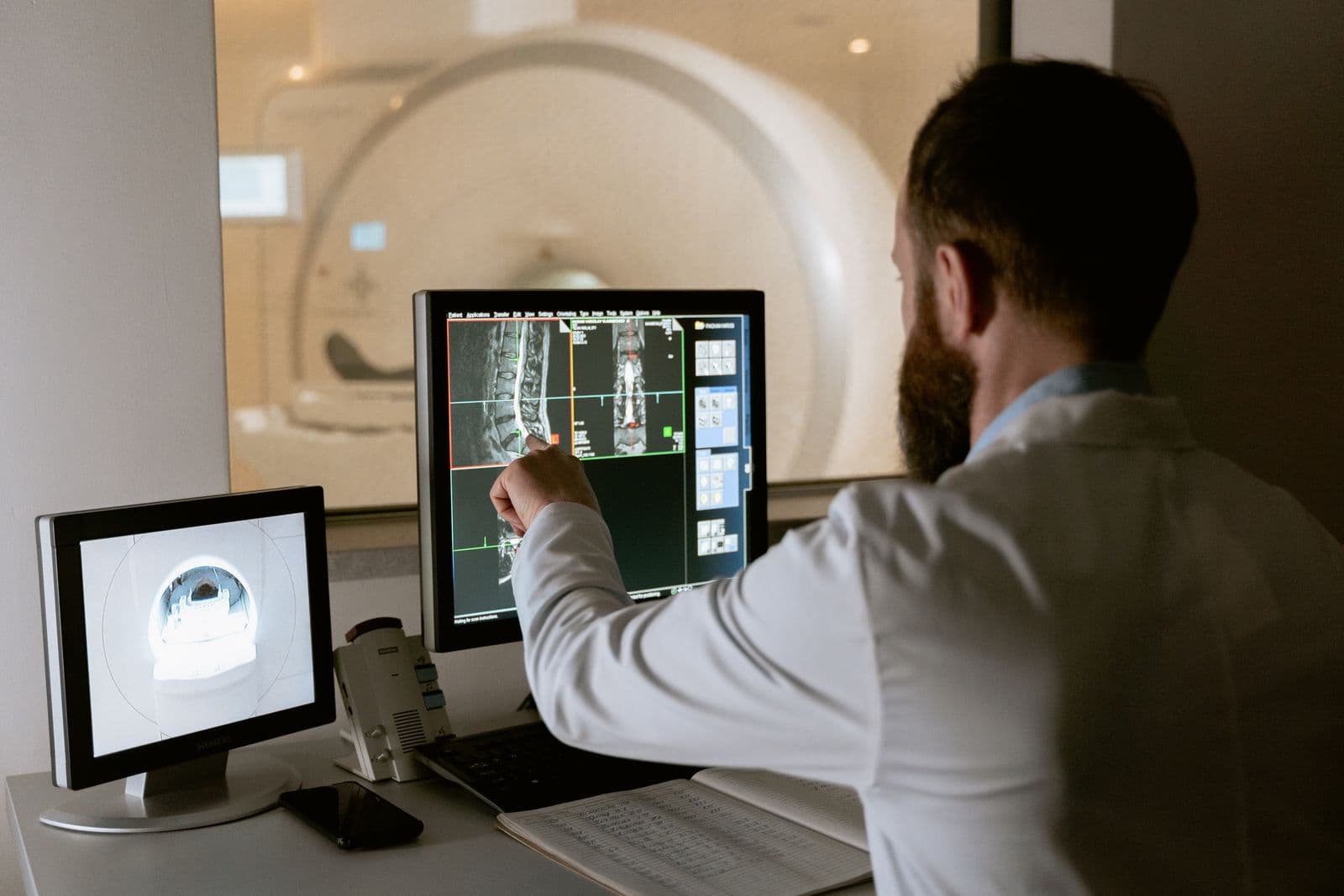
Patient data, provider workflow, regulatory guardrails
Clinical systems are measured by uptime and auditability, not marketing slides. We build for the reality of busy practices, compliance deadlines, and the patients who depend on both.
Frequently asked questions
We build a connection that sits alongside the EHR rather than replacing it. Over FHIR R4 and HL7 v2.x, or through Redox or Health Gorilla where direct access is slow to obtain, we read the chart data an automation needs and write the completed action back into the same EHR staff already use. The goal is fewer clicks in the tools staff already use, with no new system to log into.
Building an AI provider-workflow product? Schedule a meeting.
We’ve architected inbox triage, scheduling, prior-auth automation, and EHR integration with HIPAA, BAA coverage, and human-in-the-loop review built in from day one. Tell us what you’re building.