Remote Patient Monitoring (RPM) Development
We build the unglamorous middle of RPM: device data pipelines, threshold and trend alerting, and care-escalation workflows that get an abnormal reading in front of a clinician before it becomes an admission. HIPAA-architected. EHR write-back ready.
What we build
Device data ingestion
Cellular and Bluetooth device onboarding, vendor API and gateway integration, and normalization of BP cuffs, glucometers, pulse oximeters, weight scales, and wearables into one schema.
Reading validation + trend detection
Outlier and artifact filtering, per-patient baselines, and rolling-window trend analysis that catches a slow drift the same way it catches a single spike.
Threshold + adaptive alerting
Clinician-set thresholds, adaptive alerting to cut alarm fatigue, and severity tiers that separate a true red-flag from noise.
Care escalation workflows
Alert routing to the right care team, on-call and after-hours paths, acknowledgement and time-to-response tracking, and outreach logging.
RPM billing + time tracking
Device-days, 16-day data capture, and clinical review-time tracking structured for CMS RPM codes, with clinician attestation instead of automatic billing.
Clinician + patient dashboards
A monitoring queue prioritized by acuity for the care team, plus a patient view with adherence nudges and readable trend history.

Clinical tools that fit into real workflows
Reference architecture
- Connected Devices
- Ingestion + Normalization
- Validation + Trend Engine
- Alerting (threshold / trend)
- Care Escalation + Outreach
- EHR Write-back + Billing Log
A typical RPM data flow: connected devices push readings into an ingestion layer that normalizes across vendors, a validation and trend engine filters artifacts and detects drift, alerts fire on thresholds or trends, abnormal readings escalate to the care team with acknowledgement tracking, and reviewed data writes back to the EHR alongside a billing-ready activity log.
Integrations shipped across 21+ partners.
Device platforms
- Withings
- iHealth
- Omron
- Dexcom
- BodyTrace
Wearables + health data
- Apple HealthKit
- Google Health Connect
- Fitbit
- Terra
- Validic
EHRs (FHIR / HL7)
- Epic
- Cerner / Oracle Health
- Athenahealth
- FHIR R4
- HL7 v2.x
Alerting + outreach
- Twilio (SMS / Voice, HIPAA)
- PagerDuty
- SendGrid (HIPAA tier)
Data + streaming infrastructure
- AWS IoT Core
- Kafka / Kinesis
- TimescaleDB
Which engagement fits
Project Build
For a new RPM platform: device ingestion, alerting, escalation, dashboards, and EHR write-back, built in a focused scope.
Explore Project BuildEmbedded Squad
For scaling an existing program: a dedicated team that ships alongside yours as new device types, alert logic, and integrations come online.
Explore Embedded SquadTech Audit
For assessing an existing build: a 5-day diagnostic of the data pipeline, alerting reliability, escalation gaps, and HIPAA readiness.
Explore Tech AuditCompliance & escalation safety
| Standard | Status | What we ship |
|---|---|---|
| HIPAA | Compliant | Compliant builds with PHI handling, access controls, encryption, and audit logging architected from day one, including the device-to-cloud path. See /compliance/hipaa. |
| FDA SaMD | In progress | Passive monitoring and display is generally low-risk, but automated interpretation or alarms MAY be regulated as Software as a Medical Device depending on intended use. We architect for SaMD compliance; a formal determination requires your FDA regulatory consultant. |
| CMS RPM billing (99453–99458) | In progress | We build the device-day, 16-day capture, and review-time tracking that RPM codes require. Code selection and claims stay with your billing and compliance team. We make the underlying data defensible for that review. |
| Clinical escalation safety | In progress | Red-flag reading escalation and never-miss-alert routing are engineered by us and reviewed by your clinical advisor on every build. Your clinical team decides the alert thresholds and on-call paths. |
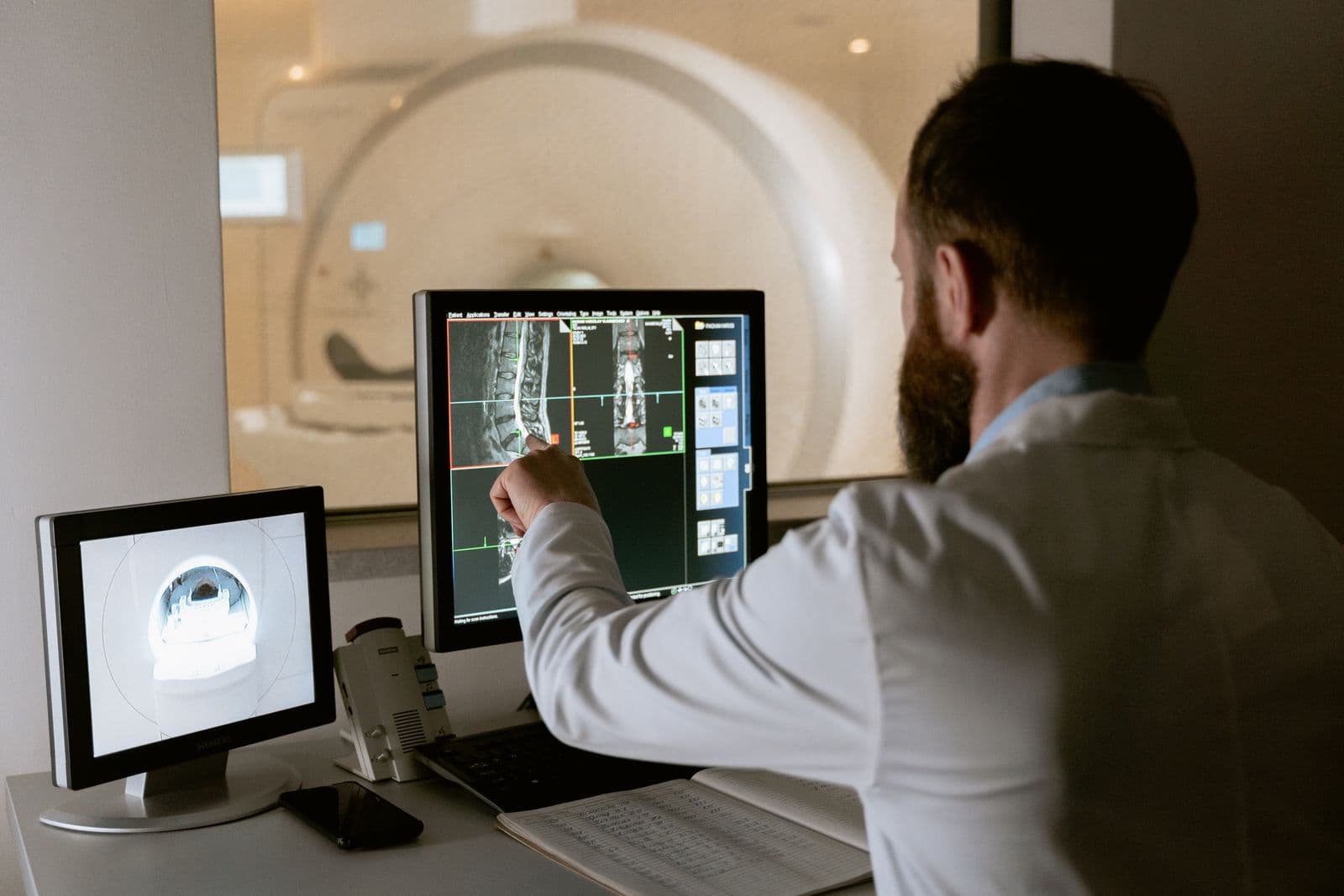
Patient data, provider workflow, regulatory guardrails
Clinical systems are measured by uptime and auditability, not marketing slides. We build for the reality of busy practices, compliance deadlines, and the patients who depend on both.
Frequently asked questions
Both, and the right answer depends on your device mix. Aggregators like Validic and Terra get you broad coverage fast; direct integrations with Withings, iHealth, Omron, Dexcom, or a cellular gateway give you tighter control and lower per-reading cost at scale. We’ll tell you which mix fits your program instead of forcing one path.
Building a remote patient monitoring platform? Schedule a meeting.
We’ve architected the device pipelines, trend-aware alerting, and escalation workflows that make an RPM program safe to run at scale, with HIPAA built in from day one. Tell us what you’re building.